



No items
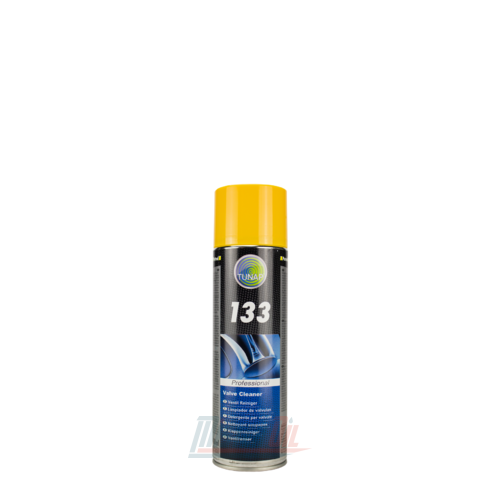
DESCRIPTION
Valve cleaner for all petrol engines with port injection. Cleans intake area, inlet valves and combustion chambers while the engine is running. Removes deposits which can occur through burning unsuitable fuel. Product is added via atomizer probe with special nozzle.
Applications
- Above all adjustment work and exhaust gas measurements
- In case of bad compression
- In case of excessive fuel consumption
- In case of bad engine performance
- In case of delayed throttle response or engine jolts
- In case of cold start problems or rough warm-up phase
- In case of rough running of the engine
FEATURES AND BENEFITS
- Product is added via the air intake area with the engine running
- Cleaning without dismantling the valves
- Cleans inlet valves and valve stems
- Removes the most stubborn deposits in the combustion chamber in particular in the top land area of the pistons
- Removes varnishes on the exhaust valve stems
- Ensures the precise valve seat
- To protect against valves burning out
USAGE ADVICE
- 1. Warm up the engine to operating temperature (ideally while driving rather than idling).
- 2. Administer the cleaner to a suitable point in the intake system. A suction hose or special connector can do this (ref. image 1).
- 3. a. Use the application tube if you are spraying against the direction of intake air flow to ensure that the cleaner is evenly distributed throughout all cylinders.
- 4.b. When spraying in the direction of the intake air flow, the product is automatically distributed to all the cylinders. In this case, use of the nozzle is sufficient.
- 5. Spray approximately half of the cleaner evenly into all the intake channels with the engine running at around 2000 rpm. If you are using the probe, it should be moved back and forth between the individual channels to ensure even distribution of the product (ref. Figure 2).
- 6. Stop the engine.
- 7. Allow the cleaner to work for 30 minutes to 1 hour.
- 8. Bring the engine back to operating temperature.
- 9. Spray the second half of the cleaner as described in point 3 or 4.
- 10. Carry out a test drive immediately after completing the cleaning cycle.
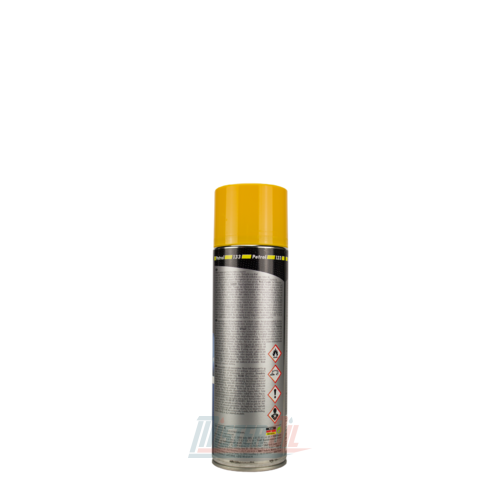
Health and Environment
- H222 Extremely flammable aerosol.
- H229 Pressurised container: may burst open on heating.
- H312+H332 Harmful in contact with skin and if inhaled.
- H314 Causes severe skin burns and eye damage.
- H335 May cause respiratory irritation.
- H336 May cause drowsiness or dizziness.
- H361fd Suspected of damaging fertility. Suspected of damaging the unborn child.
- H373 May cause damage to organs through prolonged or repeated exposure.
- H412 Harmful to aquatic life with long lasting effects.
- P210 Keep away from heat, hot surfaces, sparks, open flames and other sources of ignition. Do not smoke.
- P211 Do not spray into an open flame or other sources of ignition.
- P251 Do not pierce or burn, even after use.
- P260 Do not breathe aerosol.
- P280 Wear protective gloves and eye/face protection.
- P302+P352 IF ON SKIN: Wash with plenty of water.
- P333+P317 IF skin irritation or rash: Seek medical attention.
- P305+P351+P338 IF IN EYES: Rinse cautiously with water for several minutes; remove contact lenses, if possible; continue rinsing.
- P310 Call a POISON CENTER/doctor immediately.
- P304+P312 IF INHALED: Call a POISON CENTER/doctor if you feel unwell.
- P410+P412 Protect from sunlight. Do not expose to temperatures exceeding 50 °C/122 °F.

